The work institutions do is complex, sensitive, and often high stakes. The policies and structures in place don't reflect the nuanced, time-sensitive situations staff are actually navigating. Staff are stretched, situations escalate, and the people seeking support start to question whether the institution can actually meet them with the care, consistency, and safety they need.
That gap traces back to two places. Inside the institution, where policies and structures don't reflect the complexity teams are actually navigating. And across sectors, where systems with different mandates, needs, and priorities struggle to work together. Staff run into those differences constantly. It slows everything down. And the people caught between systems are left waiting for the support they came for.
Still House was built to work in both of those places. Collaboratively, from the inside out, with a trauma-informed understanding that how institutions function has real consequences for the people within them and the people they serve.
The conditions that create these gaps are getting harder to navigate. Funding is tighter. Teams are stretched. Communities are losing trust at exactly the moment institutions need it most. The knowledge to respond well is already there, in the staff and communities closest to the work. What is needed is the space and structure to use it.
The goal is institutions that people can trust. Institutions that can stand behind the commitments they most publicly hold.
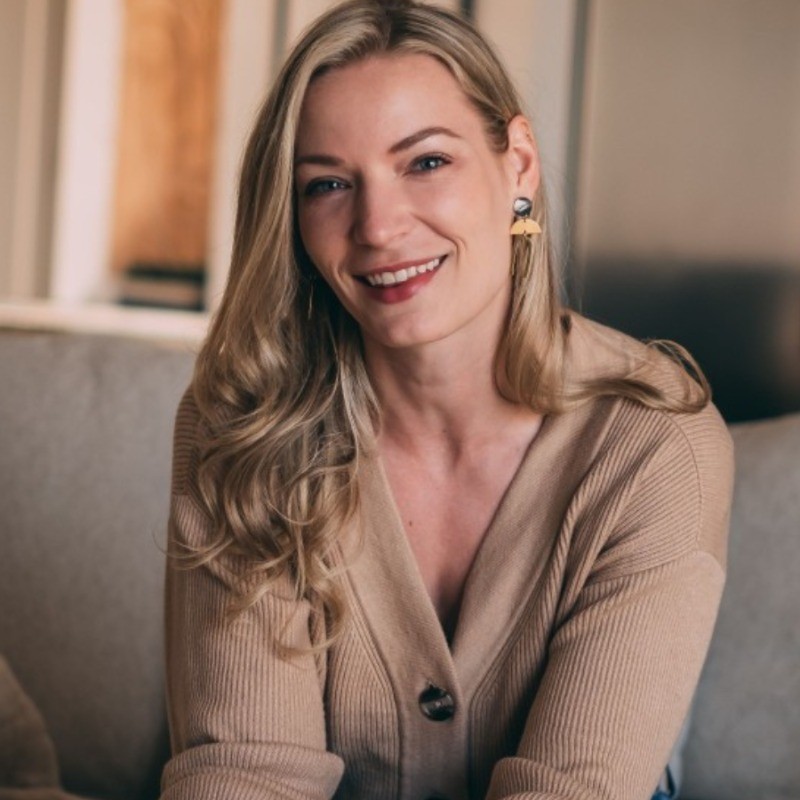
Laura Lockwood is the founder of Still House Global. Her work brings together governance and policy, gender equality, and trauma-informed practice across humanitarian, public sector, and human rights contexts.
She spent years working directly with people navigating mental health crises, child protection, and gender-based violence across complex and conflict-affected environments before moving into policy and systems development. Those years taught her that the people closest to the work already know what is needed. Resilience and creative solutions are present in every team and every community she has worked with. What gets in the way are systems and processes built on fear and compliance rather than on that knowledge. The work of Still House is to build the kind of foundation where that knowledge can actually shape how institutions function.
Her work spans more than a decade across Canada, including work alongside Indigenous communities, and across North Africa and conflict-affected environments including Libya, Ukraine, and Türkiye, across social services, justice, education, health, and humanitarian and emergency response. In Canada, she led cross-sector coordination across justice, law enforcement, health, and education, with measurable reductions in hospitalisation, homelessness, and justice involvement among the young people served. Internationally, she served as Principal Author of a global Equality, Inclusion, Gender and Diversity Policy and Operational Guidelines at CESVI, developed through structured consultation with staff across ten country missions and implemented across more than thirty country operations.
Policy should act as permission and guidance. The systems built around it should reflect what teams and communities already know, and recommit to the care and trust that institutions were designed to provide.
If this resonates, let's talk.
Get in touch